Intro
Picture this: an image shared across Addis Ababa, Oromia towns, WhatsApp statuses and Telegram groups, carrying more weight than a thousand words. That image is labelled Suuraa Wbo. For many Oromo readers it is more than a photo — it’s identity, it’s resistance, it’s hope. But what exactly is Suuraa Wbo, where did it come from, and why should you in Ethiopia care about it today?
In this article you’ll gain a clear, beginner-to-intermediate friendly explanation of the term Suuraa Wbo, the history behind its components, the leader/organisation links, and how it’s used in daily life in Oromo communities. You’ll walk away not just knowing the term — but understanding its power, context, and implications.
Table of Contents
What is Suuraa Wbo?
Quick takeaway: Suuraa Wbo = “image (or picture) of WBO” in Afaan Oromo; it’s a visual symbol tied to the Waraana Bilisummaa Oromoo (WBO).
- “Suuraa” means “image”, “picture”, or “visual representation” in Oromo.
- “WBO” is widely used to refer to the Oromo Liberation Army (Waraana Bilisummaa Oromoo) — a movement that campaigns for Oromo rights and autonomy.
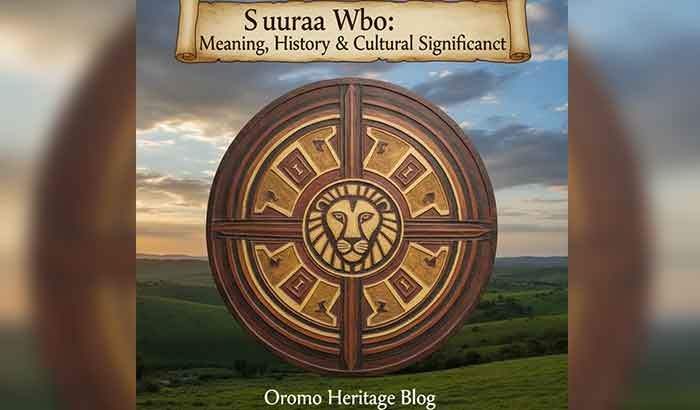
- Combined, Suuraa Wbo typically refers to images, graphics, symbols, profile-icons, posters or artwork that represent the WBO identity or Oromo resistance.
These visuals are more than decoration — they serve as cultural markers, digital badges of identity, and community rallying points.
The History Behind Suuraa Wbo
The Origins of “WBO”
- The WBO (Waraana Bilisummaa Oromoo) emerged as the armed wing of the Oromo Liberation Front (OLF) in the 1970s. (Though exact years vary in sources.)
- Its role: to fight for political rights, cultural recognition and self-determination for the Oromo people.
- Over time the group has become a complex, often-contested player in Ethiopia’s political landscape.
Cultural Roots of Visual Symbols (“Suuraa”)
- Oromo culture has a long tradition of visual and symbolic art — ritual emblems, traditional motifs (e.g., the oda tree), and oral storytelling.
- As digital media rose, these cultural motifs migrated into graphic design, social-media use and activism.
Emergence of Suuraa Wbo in the Digital Era
- With the spread of smartphones, social media and diaspora networks, images linked to WBO began circulating more rapidly.
- These visuals helped unify the Oromo diaspora and ground-level activism by offering a common symbol of identity.
- Example: during key Oromo protests, profile pictures, banners and hashtags tied to Suuraa Wbo proliferated.
Read More: Translate English To Amharic – Free Online Guide for Ethiopians
Who is the Leader / Organisation Behind Suuraa Wbo?
While Suuraa Wbo refers to an image/symbol rather than a formal “brand”, it is deeply linked to the WBO organisation and associated activists.
- The WBO (Waraana Bilisummaa Oromoo) is the primary organisation tied to the symbol.
- There is no single informal “leader of Suuraa Wbo” as though the image-symbol has its own CEO; rather it is driven by the broader movement, community activists, digital artists and diaspora networks.
- Understanding the organisational background of WBO gives context to the symbol: its meaning, risks, and reach.
Why this matters for local Ethiopian readers:
If you see a poster, social-media graphic or community event labelled Suuraa Wbo, it might signal affiliation with or solidarity with the WBO movement or Oromo resistance narratives. That gives the image more than aesthetic value — it signals political/cultural identity.
Cultural & Social Significance in Oromo Communities
Identity & Belonging
- For many Oromo people (in Oromia region, Addis, diaspora), Suuraa Wbo expresses pride in their heritage.
- It becomes a shorthand: “I stand with Oromo rights” without saying it in words.
Resistance & Mobilisation
- The symbol features in rallies, social-media posts, community events and cultural festivals.
- It helps mobilise support by visually anchoring a collective narrative (resistance, autonomy, recognition).
Digital Life & Diaspora Connection
- For Oromo youth and diaspora members, Suuraa Wbo often appears in profile pictures, posts, hashtags (#SuuraaWBO) and art.
- It acts as a bridge between hometown Oromo culture and the global Oromo community.
Risks & Controversies
- Because WBO is a contested organisation (some label it militant/terrorist, others see it as liberation), use of the symbol can be politically sensitive in Ethiopia.
- Sharing certain Suuraa Wbo graphics may, in some contexts, draw state attention, so sensitivity and awareness are important.
How Suuraa Wbo Is Used Today (2025)
Quick Takeaway: Nowadays it appears in social media, art, educational content, protests—and functions both as cultural expression and mobilisation tool.
Here’s how:
- Social Media: Profile pictures, Instagram posts, WhatsApp statuses using the symbol to show solidarity.
- Art & Design: Digital posters blending traditional Oromo motifs with WBO symbolism.
- Educational / Cultural Events: Festivals or community gatherings where Suuraa Wbo visuals underscore heritage talks.
- Campaigns & Advocacy: Fundraisers, rallies, awareness drives use the symbol to signal Oromo identity and rights.
- Media Coverage: Blogs, news sites referencing Suuraa Wbo when discussing Oromo activism or cultural symbolism.
Chart/Table Suggestion (for Article):
| Use-Case | Description | Audience/Platform |
|---|---|---|
| Profile Pictures | Users adopt Suuraa Wbo imagery online | Youth, diaspora |
| Posters & Banners | Physical or digital prints at rallies | Local Oromo communities |
| Educational Content | Used in teach-ins about Oromo heritage | Schools, cultural centres |
| Social-Media Campaigns | Hashtags like #SuuraaWBO mobilise support | Activists, community groups |
What Changed in 2025? Recent Trends & Developments
- Increased digital visibility: More Oromo youth using smartphones, meaning Suuraa Wbo imagery spreads faster across platforms like Telegram, Instagram.
- More diaspora-driven art: Graphic designers abroad creating updated Suuraa Wbo visuals, blending global design styles with Oromo heritage.
- More sensitivity & caution: With Ethiopian state attention on symbols tied to WBO, users and creators are more aware of risks of sharing in certain contexts.
- Intersection with culture-tech: Use of NFTs, digital art formats, online activism means Suuraa Wbo is migrating from print to digital-first spaces.
- Growing educational framing: Oromo studies programs in universities incorporating Suuraa Wbo as case-study of visual activism.
Note for reader in Ethiopia: If you’re seeing more images or posts labelled Suuraa Wbo in 2025 vs two years ago, this reflects these digital-trends.
Why Understanding Suuraa Wbo Matters for You
- Cultural awareness: If you’re Oromo or live in Oromia, recognising the symbol helps you understand modern identity codes.
- Digital literacy: On social media, seeing Suuraa Wbo gives you clues about the poster’s beliefs, audience and message.
- Context for activism: Whether you participate in community events or online groups, understanding the symbol helps you engage responsibly.
- Global link: As diaspora and international platforms share these visuals, you’re connected to a larger Oromo narrative beyond local boundaries.
- Navigating risk: Knowing the symbol’s political weight helps you make informed decisions about sharing or interacting with it.
FAQs
Q1. What does Suuraa Wbo mean?
A: It literally means “image/picture of WBO” in Afaan Oromo, where Suuraa = image and WBO = Waraana Bilisummaa Oromoo (Oromo Liberation Army).
Q2. Who leads the Suuraa Wbo movement?
A: The term doesn’t refer to a formal movement with a single leader; it is tied to the broader WBO organisation and community activists who use the symbol.
Q3. Is Suuraa Wbo legal to share in Ethiopia?
A: It depends on context. Because the WBO is politically sensitive, the symbol’s use can carry risk in certain settings. Always assess local laws and environment.
Q4. How can I find Suuraa Wbo visuals online?
A: Search hashtags like #SuuraaWBO, join Oromo cultural/activist groups on Facebook, Telegram, Instagram, and follow diaspora art accounts.
Q5. Can non-Oromo use Suuraa Wbo?
A: Yes, but with respect and understanding. It’s a symbol of Oromo heritage and struggle, so cultural sensitivity is important.
Key Takeaways & Action Steps
Key takeaways:
- Suuraa Wbo = image of WBO; a potent visual symbol for Oromo identity and resistance.
- The symbol ties historical roots (WBO, Oromo liberation) with modern digital activism and cultural expression.
- Understanding its meaning, use-cases, and risks helps you navigate Oromo digital culture, activism and social media.
Action Steps for You (Beginner-Intermediate):
- Observe where you see Suuraa Wbo in your network—on social media, in community events or local posters.
- If you plan to use or share the symbol, ask: “What message am I sending?” and “Could this be misunderstood or mis-used?”
- Explore local Oromo cultural centres or online diaspora groups to learn more about the symbol’s art, origins and usage.
- Consider creating your own respectful content (graphic, post, story) that uses the symbol to promote Oromo culture, heritage or solidarity — always crediting sources and aware of context.
Conclusion
For the Oromo reader in Ethiopia, Suuraa Wbo is more than a phrase — it’s a living visual thread weaving together culture, history and activism. Whether you spot it on a WhatsApp status, an Instagram post or a local rally poster, you’re seeing a signal of identity, solidarity and story.
I invite you to look again at the next image you see captioned Suuraa Wbo: ask who shared it, why, and what it means. In doing so, you engage not just as a viewer, but as an informed participant in a symbol that reaches beyond a single photo — it touches heritage, community, and change.